
Appointment | Phone | WhatsApp
Endodontic Surgery
Endodontic Surgery
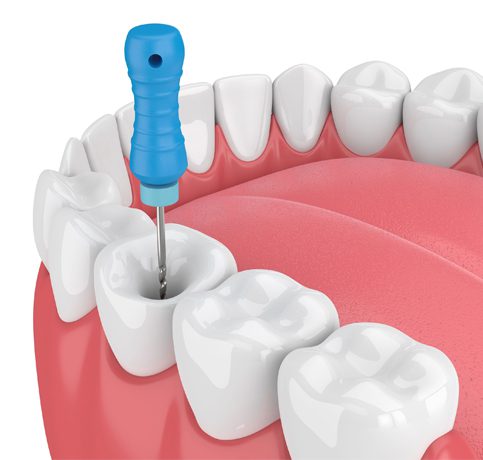
Endodontic surgery is a dental procedure that aims to treat conditions that affect the dental pulp and root of a tooth. This procedure is also known as an apicoectomy or root-end surgery. It is performed by an endodontist, a dentist who specializes in treating the dental pulp and root of teeth.
The following are the steps involved in the endodontic surgery procedure:
Examination and Diagnosis: The endodontist will conduct a thorough examination of your teeth and mouth, including taking x-rays to determine the extent of the damage.
Local Anesthesia: The endodontist will administer a local anesthetic to numb the area around the tooth being treated.
Incision: The endodontist will make a small incision in the gum tissue to access the root of the tooth.
Root End Resection: The endodontist will remove the damaged portion of the root and the surrounding infected tissue.
Filling: The endodontist will fill the root with a biocompatible material called gutta-percha and seal the area with a dental restoration.
Follow-up: After the procedure, the endodontist will provide you with detailed instructions for caring for the treated tooth and schedule a follow-up appointment to monitor the healing process.
Endodontic surgery is a safe and effective way to treat dental pulp and root issues, allowing patients to keep their natural teeth rather than opting for extraction. It typically has a high success rate and can provide long-lasting relief from pain and discomfort.
Why should I Choose Dr. Aishwarya for Endodontic Surgery
Endodontic surgery, also known as apical surgery or root-end surgery, is a procedure performed by an endodontist to remove an infection or inflammation in the root tip of a tooth. Here is a complete treatment procedure for Endodontic Surgery:
- Consultation: The first step in endodontic surgery is a consultation with an endodontist. The endodontist will review your dental history, perform a thorough examination, and take x-rays to determine if you are a candidate for endodontic surgery.
- Anesthesia: Local anesthesia is administered to numb the area around the tooth and provide pain relief during the procedure.
- Incision: The endodontist will make a small incision in the gum tissue near the affected tooth to access the root tip.
- Removal of infected tissue: The endodontist will carefully remove the infected or inflamed tissue from the root tip of the tooth.
- Cleaning and shaping the root canal: The endodontist will clean and shape the root canal using special instruments to remove any remaining bacteria or debris.
- Placement of filling material: A biocompatible filling material is placed in the root tip to seal the root canal and prevent further infection.
- Suturing: The endodontist will then suture the gum tissue back in place to promote proper healing.
- Follow-up appointments: After the procedure, the endodontist will schedule follow-up appointments to monitor your healing progress and ensure the tooth is properly restored.
- Post-operative care: The endodontist will provide post-operative instructions on how to care for your mouth after the surgery, including pain management and diet restrictions.
- Restoration: After the endodontic surgery is complete, the tooth may need to be restored with a dental crown or other restoration to protect and strengthen the tooth.
It is important to note that not all endodontic cases require surgery, and in many cases, non-surgical root canal treatment can effectively treat the infection or inflammation. Your endodontist will determine the best course of treatment for your specific case.