Appointment | Phone | WhatsApp
Re-Treatment
Re-Root Canal Treatment in Patna
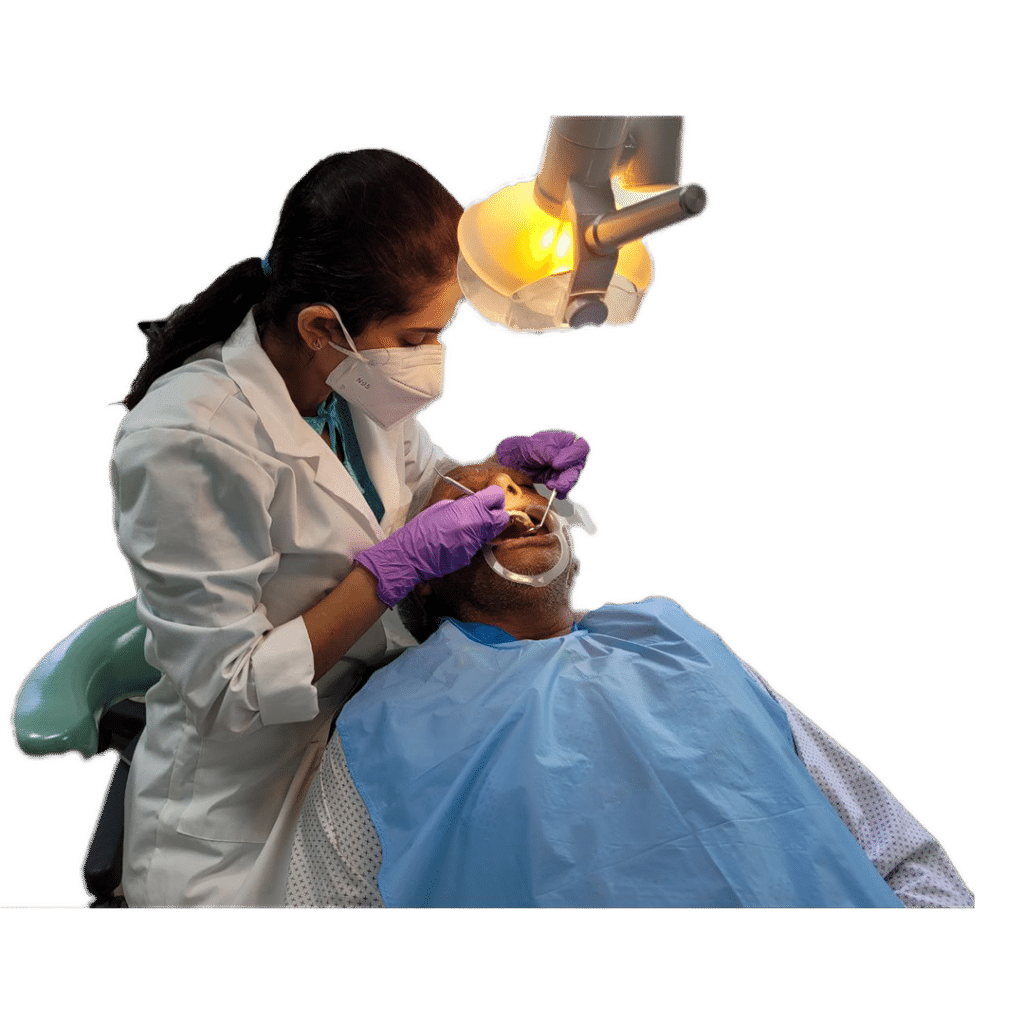
Sometimes, despite the best efforts of both the dentist and the patient, a root canal treatment may fail to fully resolve the problem it was intended to fix. When this happens, re-treatment may be necessary to address the issue and prevent further damage to the tooth.
During a re-treatment procedure, the dentist will remove any previous filling materials and assess the tooth to determine the cause of the problem.
From there, they will clean and shape the root canals and fill them with new material. In some cases, a crown may also be needed to protect the tooth and restore its function.
Re-Root Canal Treatment is a dental procedure that may be necessary if a previous RCT has failed to fully resolve the problem it was intended to fix. The re-treatment procedure involves removing any previous filling materials and assessing the tooth to determine the cause of the issue.
From there, the dentist will clean and shape the root canals and fill them with new material. In some cases, a crown may also be needed to protect the tooth and restore its function.
The re-treatment procedure typically involves the following steps:
Evaluation – Before the re-treatment procedure begins, the dentist will evaluate the tooth to determine the cause of the problem. This may involve taking x-rays and performing other diagnostic tests.
Anesthesia – To ensure your comfort during the procedure, the dentist will administer local anesthesia to numb the area around the affected tooth.
Access – The dentist will make an incision in the gum tissue to access the tooth and remove any previous filling materials.
Cleaning and shaping – Once the previous filling materials have been removed, the dentist will clean and shape the root canals to prepare them for new filling material.
Filling – The dentist will fill the root canals with new material, typically a rubber-like substance called gutta-percha. This material is used to seal the canals and prevent bacteria from entering the tooth.
Crown placement – In some cases, a crown may be necessary to protect the tooth and restore its function. If a crown is needed, the dentist will place it over the tooth after the filling material has been placed.
Follow-up – After the re-treatment procedure is complete, the dentist will schedule a follow-up appointment to evaluate the success of the treatment and monitor the healing process.
Re-treatment procedures are generally successful in resolving the issues that led to the initial root canal treatment failure. However, as with any dental procedure, there are some risks and potential complications, such as infection or damage to the tooth or surrounding tissue.
Your dentist will discuss these with you before the procedure and provide you with instructions for post-treatment care to ensure the best possible outcome.
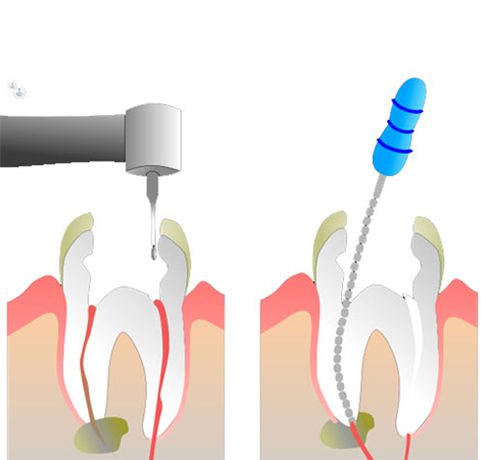
Comprehensive Guide to Re-Treatment: Everything You Need to Know By the Best Dentist in Patna
Retreatment is a dental procedure that is performed to repair a tooth that has already had a root canal treatment but has developed problems again. The complete treatment procedure of re-treatment involves several steps.
Evaluation: The first step is to evaluate the tooth to determine the cause of the problem. This will involve a thorough examination of the tooth, as well as x-rays.
Anesthesia: Local anesthesia will be administered to numb the area around the tooth.
Removal of Filling and Crown: The filling material and crown will be removed to gain access to the tooth’s interior.
Removal of Gutta-Percha: The dentist will remove the gutta-percha (the rubbery material used to fill the canals) and any other material remaining from the previous root canal.
Cleaning and Disinfecting: The canals are then cleaned and disinfected to remove any bacteria or debris.
Refilling: After cleaning and disinfecting, the canals are refilled with new gutta-percha and a sealer material.
Temporary Filling: A temporary filling material is used to seal the access hole in the tooth until a permanent restoration can be placed.
Crown Placement: Once the tooth has healed, a permanent crown will be placed on top of the tooth to protect it and restore its functionality.
Follow-up: The dentist will schedule a follow-up appointment to ensure the tooth is healing properly and to monitor its progress.
Retreatment is a complex procedure and may require more than one appointment to complete. Your dentist will provide you with specific instructions to care for your tooth after the procedure, including the use of pain relievers and antibiotics if necessary. It’s essential to maintain good oral hygiene and visit your dentist regularly to ensure the long-term success of the treatment.